
Child guardianship is a legal concept that involves the appointment of a responsible individual or entity to act as the guardian and caretaker of a minor child. This legal arrangement becomes necessary in various circumstances, such as parental incapacity, divorce, or the death of a parent. Understanding the fundamental aspects of child guardianship is crucial for ensuring the well-being and proper upbringing of the child.
Guardianship of a child is a profound legal responsibility, encompassing various dimensions to ensure the well-being, safety, and proper development of minors. Rooted in a combination of Islamic principles and legislative statutes, notably the Guardians and Wards Act of 1890, the concept of guardianship delineates the roles and responsibilities of individuals entrusted with the care of a child.
The legal foundation of guardianship in Pakistan is deeply embedded in both Islamic jurisprudence and statutory laws. Understanding the nuances of guardianship involves recognizing two primary types:
Physical guardianship entails determining the child’s residence and day-to-day care. This aspect is crucial for providing a stable and nurturing environment.
Legal guardianship bestows decision-making authority for the child’s upbringing, education, and overall development. This extends to choices affecting the child’s welfare and future.
At the core of guardianship decisions lies the paramount consideration of the child’s best interests. Courts meticulously weigh factors such as safety, welfare, education, and the overall development of the child. This emphasis on the child’s well-being serves as a guiding principle in guardianship matters.
Guided by Islamic principles, guardianship decisions align with Shariah compliance. This alignment extends to matters concerning the child’s religious upbringing, education, and moral development. The interplay between legal statutes and Islamic values creates a comprehensive framework for responsible guardianship.

The Guardians and Wards Act of 1890 stands as the legislative cornerstone, providing a detailed blueprint for the appointment of guardians and safeguarding the welfare of minor children. This act empowers courts to make informed decisions regarding guardianship matters, emphasizing the child’s best interests.
Courts exercise discretionary powers when adjudicating guardianship matters. Each case undergoes thorough scrutiny, considering factors such as the guardian’s capability, moral standing, financial capacity, and, most importantly, the child’s welfare. This discretionary approach ensures a nuanced evaluation tailored to the specific circumstances of each case.
Disputes related to guardianship involve specific legal protocols. These proceedings typically begin with the filing of petitions under the Guardians and Wards Act. Courts play a pivotal role in evaluating evidence, listening to the arguments of both parties and reaching decisions that align with the child’s best interests.
In guardianship matters, the legal system actively promotes mediation and alternative dispute resolution mechanisms. The goal is to foster amicable resolutions, reduce emotional impact—especially for the child—and encourage cooperative arrangements between disputing parties.
Guardianship orders are not rigid but rather adaptable to changing circumstances. Courts may approve modifications prompted by evolving situations or when adjustments are deemed to align with the child’s best interests. Guardians can petition the court for modifications, ensuring the flexibility needed to cater to the evolving needs of the child.
In an era of increased global mobility, guardianship matters may extend beyond national borders. International aspects of guardianship are addressed under conventions such as The Hague Convention on the Civil Aspects of International Child Abduction. This framework provides a structured approach to resolving cross-border guardianship issues, emphasizing cooperation between nations.
The responsibilities of a guardian encompass a spectrum of duties aimed at ensuring the holistic development of the child. These include:
Creating a stable and secure living environment for the child’s physical and emotional well-being.
Making decisions regarding the child’s education, including school selection and educational goals.
Authorizing medical treatments and healthcare decisions for the child’s well-being.
Managing the financial affairs of the child, including any inheritance or assets.
Offering moral and religious guidance in alignment with the family’s cultural and religious values.
Advocating for the child’s legal rights and interests, including representing them in legal proceedings.
While guardianship is designed to ensure the best interests of the child, it comes with its own set of challenges and complexities. These may include:
Disputes between competing guardians or individuals seeking guardianship can arise, necessitating legal intervention.
Changes in family structures, such as remarriages or blended families, can introduce complexities in guardianship arrangements.
International mobility and cross-border family scenarios may add layers of complexity to guardianship matters, requiring adherence to international conventions.
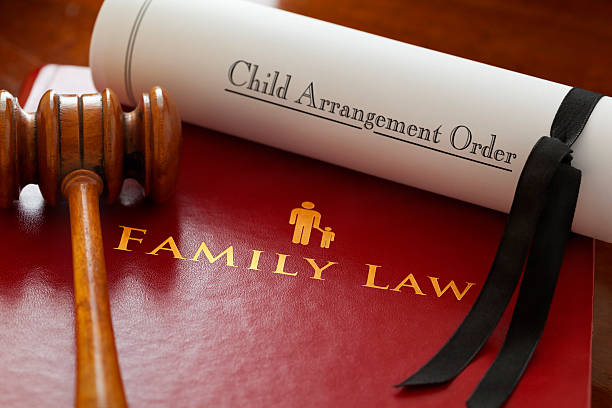
Navigating the intricate landscape of guardianship requires expert legal guidance. Consultation with a qualified family lawyer ensures a nuanced understanding of legal provisions, adherence to Islamic principles, and effective representation in legal proceedings.
In conclusion, guardianship of a child is a multifaceted legal responsibility embedded in both legal statutes and Islamic principles. The interplay between the Guardians and Wards Act of 1890 and Shariah compliance creates a robust framework that prioritizes the child’s best interests. Navigating the challenges and responsibilities of guardianship requires a keen understanding of legal nuances and a commitment to providing a nurturing environment for the child’s growth and development. Seeking legal consultation from experienced family lawyers is essential for individuals undertaking the responsibilities of guardianship, ensuring compliance with legal standards, and securing the welfare of the child.
This comprehensive exploration provides an in-depth understanding of guardianship, combining legal aspects, responsibilities, and considerations associated with this vital role in a child’s life.
The client experience is paramount at Qanoon House, and our top-rated family law advocates exemplify this commitment through a client-centric approach. Beyond legal representation, they prioritize open communication, understanding, and empathy. By actively involving clients in their legal strategies and addressing their unique needs, our advocates build lasting relationships that extend far beyond the resolution of individual cases. At Qanoon House, our top-rated family law advocates are not just legal representatives; they are trusted allies dedicated to achieving the best possible outcomes for our clients in their family law matters.