

Family Lawyers in Karachi: Offices and Appointments
Two Karachi Offices
Gulistan-e-Johar Office: T-219, 2nd Floor, Supreme Corner, Johar Chowrangi, Block 18, Gulistan-e-Jauhar, Karachi. Call or WhatsApp +92 316 6644789.
DHA Office: 76C, Mezzanine Floor, Main Jami Commercial, Phase 7, DHA, Karachi. Call or WhatsApp +92 331 6644789.
Lawyers Handling Family Cases in Karachi
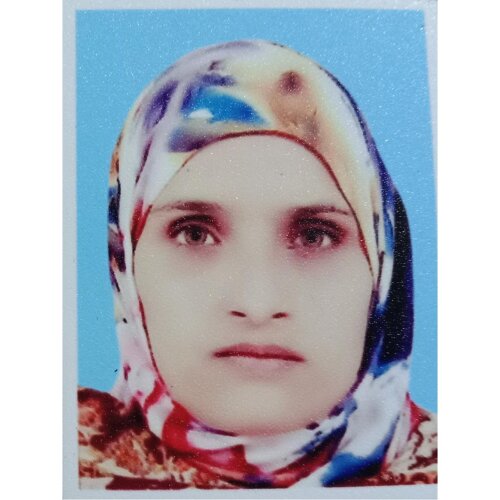
Sobia Mohsin — Advocate and Director Legal, Head of Family Practice
Leads the family-law practice of Right Law Associates, including divorce and Khula advice, custody and guardianship, maintenance, dower and dowry claims. She reviews the instructions and decides which advocate handles each stage.

S. M. Akhtar Rizvi — Advocate Supreme Court of Pakistan
Senior counsel for appeals, revisions and constitutional petitions arising from family-court decisions, where the record shows that such a remedy is maintainable.
Mohsin Ali Shah, Chairman, oversees the network and client dealing; his own legal practice dates from 1985. Courtroom representation in Karachi is by the advocate named above for each matter.
Family Lawyers in Karachi: Which Family Court Hears Your Case
Karachi is divided into seven districts for judicial purposes: South, East, West, Central, Malir, Korangi and Keamari. Family courts sit in each district, and the choice of court is a legal question rather than a matter of convenience. Under rule 6 of the West Pakistan Family Courts Rules, 1965, a suit is filed where the cause of action arose or where the parties reside or last resided together; in suits for dissolution of marriage, dower or maintenance, the court within whose limits the wife ordinarily resides also has jurisdiction. Our family lawyers in Karachi check the addresses on the Nikah Nama, the CNICs and any earlier notices before drafting, because a plaint filed in the wrong district can be returned and costs weeks.
Family Lawyers in Karachi for Talaq Notice and the Union Committee
A husband who pronounces talaq must give written notice to the Chairman under section 7 of the Muslim Family Laws Ordinance, 1961, with a copy to the wife. In Karachi the notice goes to the Chairman of the Union Committee for the area where the wife resides, under the local-government structure of the Sindh Local Government Act, 2013. The Chairman constitutes an Arbitration Council to attempt reconciliation, and the talaq takes effect ninety days after the notice is delivered, or at the end of pregnancy if the wife is pregnant. Failing to give notice is an offence. Family lawyers in Karachi prepare the notice, arrange delivery that can be proved and follow up for the effectiveness certificate that NADRA registration later requires.
Family Lawyers in Karachi for Khula and Dissolution of Marriage
A wife may seek Khula or dissolution of marriage on the grounds listed in section 2 of the Dissolution of Muslim Marriages Act, 1939. The suit is filed before the family court with the Nikah Nama and an account of the marriage. Under section 10 of the Family Courts Act, 1964, the court first attempts reconciliation; if that fails in a Khula case, it passes a decree for dissolution and may direct the wife to return benefits received, such as the prompt dower. Our family lawyers in Karachi advise on whether to claim Khula alone or to join claims for dower, maintenance and dowry articles in the same suit, which the Act permits.
| Matter | Forum in Karachi | Main Law |
|---|---|---|
| Talaq notice and effectiveness | Chairman, Union Committee where the wife resides | MFLO 1961, section 7 |
| Khula or dissolution | Family court of the district where the wife resides | DMMA 1939; Family Courts Act 1964, section 10 |
| Custody, visitation, guardianship | Guardian judge / family court of the child’s district | Guardians and Wards Act 1890 |
| Maintenance (including interim) | Family court | MFLO 1961, section 9; Family Courts Act 1964, section 17A |
| Dower and dowry articles | Family court | MFLO 1961, section 10; Family Courts Act 1964, Schedule |
| Appeal from a family-court decree | District court or Sindh High Court, depending on the trial court | Family Courts Act 1964, section 14 |
Family Lawyers in Karachi for Child Custody and Guardianship
Custody and guardianship cases are decided under the Guardians and Wards Act, 1890, with the welfare of the minor as the paramount consideration under section 17. A mother is ordinarily preferred for the custody of young children, but the court looks at the facts of each case, including remarriage, the child’s schooling and who has actually been caring for the child. Interim custody and visitation schedules can be sought while the main application is pending. Family lawyers in Karachi prepare a welfare-focused record: school documents, medical history, daily routine and a realistic visitation proposal that the court can enforce.
Family Lawyers in Karachi for Wife and Child Maintenance
A husband is liable to maintain his wife and children, and the Muslim Family Laws Ordinance, 1961 allows the Arbitration Council to fix maintenance under section 9; most claims are now brought directly before the family court. Section 17A of the Family Courts Act, 1964 allows the court to fix interim maintenance at the first hearing, and failure to pay it can lead to the defence being struck off. Karachi claims often turn on income evidence: salary slips for employed husbands, and bank records, rent agreements or business documents where income is concealed. Our family lawyers in Karachi build that evidence before the claim is filed.
Dower, Dowry Articles and Personal Property
Our family lawyers start from the Nikah Nama. Prompt dower is payable on demand; deferred dower becomes payable on divorce or the husband’s death, as recorded in the Nikah Nama. Section 10 of the Muslim Family Laws Ordinance, 1961 treats dower as payable on demand where the mode of payment is not specified. Dowry articles and bridal gifts remain the wife’s property and can be recovered through the family court, which has exclusive jurisdiction over them under the Schedule to the Family Courts Act. Family lawyers in Karachi build a list of articles with receipts, photographs or witness evidence, which makes the claim far stronger than a general statement.
Sindh Law That Applies in Karachi
Because Karachi is in Sindh, provincial legislation applies alongside the federal family statutes. The Sindh Child Marriages Restraint Act, 2013 sets the minimum age of marriage at eighteen for both parties, and the Sindh Domestic Violence (Prevention and Protection) Act, 2013 provides protection orders. Appeals from family-court decrees lie under section 14 of the Family Courts Act, 1964, and constitutional petitions are heard by the Sindh High Court at Karachi. Our family lawyers in Karachi record which provincial rule applies to each claim rather than relying on a Pakistan-wide summary.
Overseas Pakistanis With Family Cases in Karachi
For family lawyers, many Karachi cases involve a spouse living in the Gulf, the United Kingdom or North America. A party abroad can usually instruct counsel through a special power of attorney executed before a Pakistani mission or notarised and attested, and evidence can be arranged without repeated travel in many matters. Service on a husband abroad, recognition of a foreign divorce and custody of a child who has been brought to Karachi each raise separate questions. Family lawyers in Karachi set out which steps need the client personally and which can proceed through the attorney.
Family Lawyers in Karachi: Areas We Cover
We act for clients from DHA Phases 1–8, Clifton, Saddar, PECHS, Bahadurabad, Gulshan-e-Iqbal, Gulistan-e-Johar, Federal B Area, Nazimabad, North Nazimabad, North Karachi, New Karachi, Orangi, Malir, Korangi, Landhi, Shah Faisal Colony, Keamari and Bahria Town Karachi. The address of the parties decides which court hears the case; the area list shows where our clients come from, not a promise that every case belongs in one court.
Related Family Law Pages
- Family Law in Pakistan
- Divorce Law in Pakistan
- Khula and Dissolution of Marriage
- Child Custody in Pakistan
- Maintenance in Pakistan
- Sobia Mohsin — Family Lawyer in Karachi
- Child Custody and Guardianship Lawyers in Karachi
- Marriage Registration and NADRA Certificate in Karachi
- Property Lawyers in Karachi
- Family Lawyers in Islamabad
- Family Lawyers in Rawalpindi
- Family Lawyers in Faisalabad
- Family Lawyers in Hyderabad
- Family Lawyers in Lahore
Family Lawyers in Karachi: Frequently Asked Questions
Which family court in Karachi should I file in?
File in the family court of the district where the cause of action arose or where the parties live or last lived together. For dissolution, dower and maintenance suits, the court of the district where the wife ordinarily resides also has jurisdiction under rule 6 of the Family Courts Rules, 1965.
Where is a talaq notice sent in Karachi?
To the Chairman of the Union Committee for the area where the wife resides, with a copy to the wife, under section 7 of the Muslim Family Laws Ordinance, 1961. Keep proof of delivery.
How long does Khula take in a Karachi family court?
It depends on service of the husband and the court’s list. Where the husband is served and reconciliation fails, the court can decree Khula at the pre-trial stage; contested financial claims joined to it may take longer.
Can I claim maintenance and Khula in the same suit?
Yes. The Family Courts Act, 1964 allows connected claims such as dissolution, dower, maintenance and dowry articles to be joined in one suit.
Who gets custody of a young child in Karachi?
The court decides on the welfare of the child under the Guardians and Wards Act, 1890. Mothers are ordinarily preferred for young children, but the facts of each case decide the outcome.
What is the minimum marriage age in Karachi?
Eighteen for both parties under the Sindh Child Marriages Restraint Act, 2013.
Can a husband abroad be served in a Karachi case?
Yes. The court can direct service at the foreign address and through other permitted modes. Accurate addresses and contact details help avoid delay.
Do I need to attend court in person?
Not at every hearing. Some stages, such as evidence or a reconciliation hearing, may need attendance; your counsel will tell you which ones.
Which documents should I bring to the Karachi consultation?
The Nikah Nama, both CNICs, any talaq notice or court papers, children’s B-Forms and school records, and evidence of income or payments.
Which Karachi office should I visit?
Choose the Gulistan-e-Johar office or the DHA office, whichever is easier for you. Both offices handle family matters from every Karachi district.
Family Lawyers in Karachi: Book a Consultation
Send a short chronology, the Nikah Nama and any notices or court orders. We will tell you which court has jurisdiction, what to claim and what evidence to collect before anything is filed.
Sources
Reviewed by: Sobia Mohsin, Advocate and Director Legal, Right Law Associates
Published by: Right Law Associates, RightLaw.pk
Last updated: 29 October 2026
General legal information. Advice depends on the documents and facts of your case.